How Commercial Access Cards and Key Fobs Actually Work — and Why They Fail
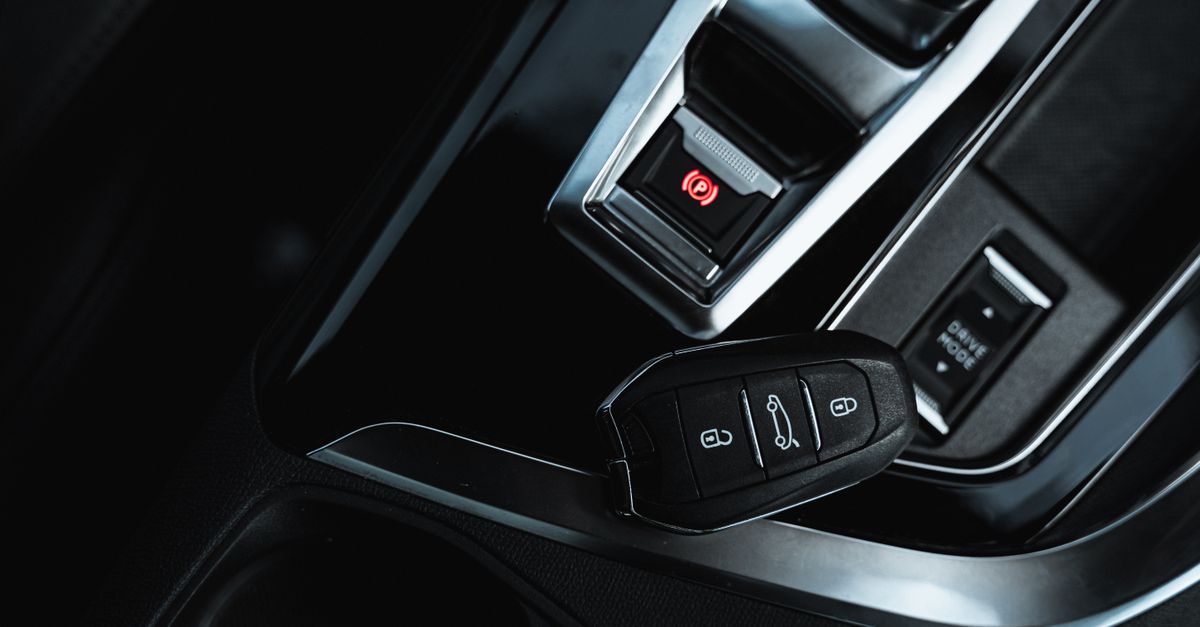
Access cards and entry fobs communicate with a reader through one of two primary technologies: proximity (low-frequency RFID) or smart-card (high-frequency contactless). Each credential carries a unique code that the access-control panel either recognizes or rejects. Over time, cards demagnetize from wallet friction, fobs suffer water intrusion or battery failure, and panels lose their credential databases after firmware updates or power surges. Columbia businesses running older Wiegand-protocol systems often discover that replacement cards must be programmed to match the original facility code — a detail that off-the-shelf blanks from a hardware kiosk simply cannot replicate.
That distinction matters enormously. A kiosk copy of a standard house key works because the cut pattern is purely mechanical. An access card or fob, by contrast, carries encrypted or facility-coded data that must be written by a programmer matched to your specific panel. Visiting a self-service kiosk marketed for home, office, car, or access-card copying may work for basic metal keys, but it will not clone a proximity fob tied to a proprietary commercial system — and attempting to force a mismatched credential into the reader can flag the card as invalid and trigger a lockout across multiple doors simultaneously. Our technicians verify your panel type before writing a single credential, so the replacement works on the first presentation.