Top Columbia SC Locksmith Service Team
Local locksmith team
Aug 21, 2026 12 min read
Columbia, South Carolina sits at the crossroads of I-20 and I-26, and that geographic convenience that makes the city so livable also makes it a target for opportunistic break-ins. According to FBI Uniform Crime Reporting data, Columbia consistently records property crime rates above the national average — burglary and larceny-theft are the dominant concerns, with neighborhoods along Two Notch Road, parts of North Columbia, and areas surrounding the Vista seeing higher incident concentrations than quieter zip codes like Lexington or Irmo on the city's outskirts. For homeowners, understanding what the numbers actually mean at the neighborhood level is the first step toward doing something useful about it.
The good news is that most residential break-ins are crimes of opportunity, and the single most effective deterrent is a door that resists fast forced entry. That puts the spotlight squarely on your lock hardware — specifically, whether what's on your door right now is actually up to the job. This guide breaks down what Columbia's break-in trends tell us, which lock types genuinely raise the bar for a would-be intruder, and what upgrades are worth prioritizing this year.
## What Is the Crime Rate in Columbia, South Carolina — and What Should Homeowners Take Away?
Columbia's overall property crime rate hovers at roughly two to three times the national average depending on the year and the specific reporting period. Burglary — the offense that most directly involves someone defeating a door or window — accounts for a meaningful slice of that number. Local Columbia Police Department precinct data shows that break-ins spike during summer months when vacation travel leaves homes unattended, and again in late fall around the holiday shopping season. Renters and homeowners in higher-density corridors near Harden Street, around Fort Jackson Boulevard, and in parts of the Earlewood neighborhood have historically seen more incidents per capita than suburban enclaves further west toward Chapin.
What the statistics consistently show, across Columbia and nationally, is that the majority of residential break-ins happen through the front door or a ground-floor side entry — not windows, not back doors. That means your deadbolt and the strike plate behind it are doing most of the defensive work. A hollow-core door with a basic knob lock and a thin strike plate held by half-inch screws is not a security door; it's a delay measured in seconds. The practical takeaway: before investing in cameras or a monitored alarm, make sure the locks themselves can hold.
## Understanding Your Options — What Is a Mortise Lock and Why It Matters Most
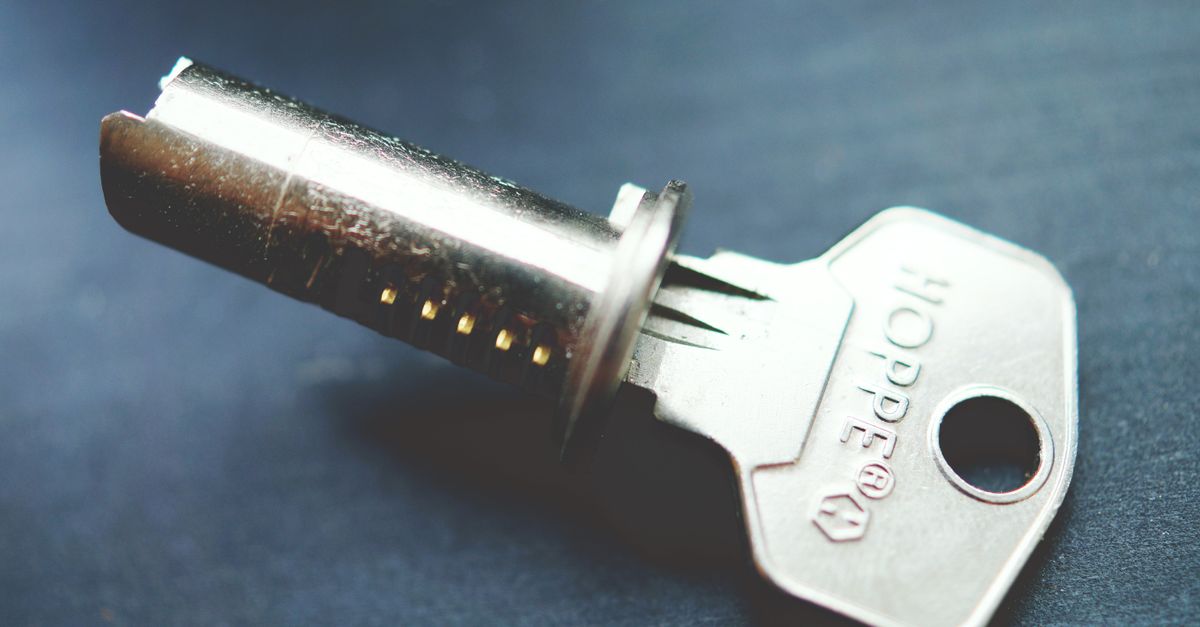
If you've asked a locksmith for a serious door upgrade, you've almost certainly heard the phrase mortise lock. So what is a mortise lock, exactly? A mortise lock is a lock body that is recessed — mortised — into a cavity cut into the edge of the door, rather than bolted through a hole in the face. This design integrates the latch, the deadbolt, and sometimes a lever mechanism all into one robust steel housing that is surrounded on all sides by the door's own material. Because the lock body sits inside the door rather than on top of it, it is dramatically harder to kick, pry, or wrench off compared to a standard cylindrical deadbolt. What is a mortise cylinder, you ask? That's the removable plug that accepts your key inside the mortise body — it can be rekeyed or swapped independently without replacing the entire lock, which is a useful feature after a change of tenants or a lost key situation.
Mortise locks are the professional standard on commercial buildings and high-end residential properties for exactly this reason. If you live near the university district or own a rental property in Five Points, upgrading entry doors to mortise hardware is one of the most durable security investments you can make. Our team installs, services, and rekeyes mortise locks across the Columbia area every week — it's a core specialty, not an occasional request. If you want to know whether your current door is mortise-ready or needs edge prep work first, call (704) 850-6756 and a trained technician can walk you through the assessment before any commitment is made.
## Rim Locks, Door Knob Locks, and What They're Actually Protecting Against
Beyond the mortise lock, two other hardware terms come up often in security conversations: rim locks and door knob locks. What is a rim lock? A rim lock is a lock that mounts on the surface of the door rather than inside it — the lock body is visible on the interior face of the door and attaches to a strike on the door frame. Rim locks were the dominant residential lock type in older American homes through the mid-twentieth century, and you'll still find them on interior doors and older exterior doors in Columbia's historic Elmwood Park and Melrose Heights neighborhoods. What is a rim cylinder? That's the key cylinder component of a rim lock, the barrel that translates key rotation into the lock's bolt movement. Rim locks offer moderate security on their own but become much stronger when paired with a quality deadbolt or used in a multi-point locking system.
A door knob lock — the spring-latch style knob most people grew up with — is the weakest common exterior lock in everyday use. The spring latch can often be slipped with a credit card on improperly fitted doors, and the knob assembly itself can be snapped or wrenched with enough force. Knob locks belong on interior doors; if yours are currently carrying exterior security duty on their own without a separate deadbolt, that's the first thing to fix. Our emergency locksmith calls in Columbia frequently begin with exactly this scenario — a door that looked locked but wasn't truly secured. As a side note: if you've ever searched 'what is a rim lock on a dirt bike' or 'what is a rim lock motorcycle,' that's a completely different product — a motorcycle rim lock is a clamp that keeps a tire's inner tube from spinning on the wheel rim and has nothing to do with door hardware.
## What Is a Lever Lock — and the Upgrade Path That Makes Sense for Columbia Homes
What is a lever lock? A lever lock uses a lever handle rather than a round knob to operate the latch, and the term also refers to a lock mechanism that uses a set of internal levers (rather than pins) to control the bolt. Lever handle locks are required by the Americans with Disabilities Act in commercial spaces, but they're increasingly popular in residential use because they're easier to operate for all ages. The security quality of a lever lock varies enormously with the grade of the hardware — a Grade 1 commercial lever lock is a serious piece of equipment, while a builder-grade lever set from a big-box store is closer to decorative. For Columbia homeowners looking to upgrade, we recommend pairing a solid lever handle set with a separate Grade 1 deadbolt, or stepping up to a mortise lock that incorporates both functions in one housing.
This is where working with a skilled locksmith — rather than a DIY installation — pays off. Door prep matters: the wrong backset measurement, a misaligned strike plate, or insufficient reinforcement around the lock pocket will undermine even high-quality hardware. Our trained technicians assess the door thickness, frame condition, and hinge strength before recommending any specific hardware so that your investment actually performs the way it should. We serve the full Columbia metro — from Lexington and Cayce to Blythewood and beyond — and we stock mortise lock components, Grade 1 deadbolts, and lever lock hardware on our service vehicles so most upgrades can be completed in a single visit.
## Emergency Locksmith Services, Commercial Locksmith Work, and Everything In Between
A complete locksmith operation covers far more than lock upgrades. As a 24/7 mobile emergency locksmith serving the Columbia area, our team handles residential lockouts, automotive lockouts, key cutting, key fob programming, and commercial locksmith work for local businesses along Harbison Boulevard, Main Street, and across Richland and Lexington counties. The services we provide include: residential lockouts, commercial lockouts, automotive lockouts, mortise lock installation, mortise lock repair, mortise lock rekeying, deadbolt installation, deadbolt rekeying, door knob lock replacement, lever lock installation, rim lock service, high-security lock upgrades, master key system design, access control installation, push bar and panic hardware installation, mailbox lock replacement, filing cabinet and desk lock service, safe opening, safe combination changes, car key cutting, transponder key programming, key fob programming (including cases where the original fob is unavailable), ignition repair and replacement, broken key extraction, door frame and strike plate reinforcement, sliding door lock service, and garage side-door lock upgrades. Whether the call comes in at 2 a.m. from a driver locked out near Williams-Brice Stadium or a property manager needing a full rekey after a tenant turnover in the Vista, we respond.
Pricing across all these services depends on several factors: the type of lock or vehicle involved, the specific parts required, travel distance to your location, and the time of day the call comes in. We never start work without confirming an exact price with you upfront — no surprises on the invoice. If you need same-day service or you're dealing with an after-hours emergency, call (704) 850-6756 right now and we'll give you a clear quote before a technician is dispatched.
## A Note on Kiosks, Key Copies, and What a Skilled Locksmith Actually Does That a Machine Cannot
Self-service key kiosks — the kind positioned in grocery stores and hardware retailers — can duplicate a basic house key quickly and conveniently. For a simple brass duplicate of a standard door key, that may be all you need. But kiosks have hard limits: they cannot cut high-security restricted keys, program transponder chips, service a mortise lock cylinder, assess whether your door frame is reinforced correctly, or help you when you're locked out at midnight. They also cannot replicate the judgment of an experienced locksmith who spots that your door is hanging slightly off-plumb and the strike plate is absorbing all the stress of every slam — a detail that matters enormously when a determined intruder tests that door.
Historically, locksmiths were craftspeople who cut keys by hand, fabricated lock components, and maintained the mechanical security of an entire community's doors and safes — it was skilled trade work long before electronic security existed. Today, a qualified locksmith Columbia homeowners can rely on combines that traditional mechanical expertise with modern skills: programming proximity fobs, configuring access control systems, and working with the layered hardware that secures everything from a Victorian-era mortise lock on a historic bungalow to a smart lock on a new build in Lake Murray Pointe. A key-cutting kiosk is a useful tool for one narrow task. A trained locksmith is a security partner for all the others.
## Practical Next Steps: Raising the Bar on Your Columbia Home's Security
Start with a door-by-door audit. Walk every exterior entry and ask: Is this door solid core or hollow core? Does it have a Grade 1 deadbolt in addition to the knob lock? Is the strike plate secured with screws long enough to reach the stud behind the frame (three-inch screws minimum)? If the answer to any of those is no, that's your starting point. From there, consider whether a mortise lock installation makes sense — particularly on a front door that sees daily use and is the most visible target from the street.
If you rent out a property, rekey between every tenancy — it's a small step with significant impact. If you've recently moved into a home in any Columbia neighborhood, assume the previous owner may have distributed keys freely and rekey before you're settled. And if you've experienced a break-in attempt, even an unsuccessful one, treat it as a signal that your current hardware should be evaluated professionally. Our team is available around the clock, every day of the year. Call (704) 850-6756 — we answer 24/7, we serve the full Columbia metro, and we'll tell you exactly what the job costs before we begin.
Frequently asked questions
What is the crime rate in Columbia, South Carolina, and are some neighborhoods safer than others?+
Columbia's property crime rate runs higher than the national average, with burglary and larceny-theft as the most common offenses. Neighborhoods closer to major commercial corridors and high-traffic roads tend to see more incidents than quieter residential areas further from the city center. However, crime patterns shift over time, so the most useful thing any homeowner can do — regardless of neighborhood — is ensure their door locks are actually up to the task of deterring a quick forced entry.
Can a locksmith open a locked door without damaging it?+
In most cases, yes. A trained locksmith uses non-destructive entry techniques appropriate to the specific lock type — picking, bypassing the latch with the correct tool, or using a bump-resistant approach on certain cylinders. For a mortise lock or high-security deadbolt, the method may differ from a standard knob lock, but the goal is always to preserve the hardware. Destructive entry is a last resort and is only used when a lock is so damaged or so high-security that no other option exists. Our technicians verify ownership before beginning any work.
Can a locksmith program a key fob without the original?+
Yes, in most vehicle makes and models a skilled automotive locksmith can program a new key fob even when the original has been lost. The process involves accessing the vehicle's onboard diagnostic system to pair a new transponder or fob to the car's immobilizer. The specific method depends on the make, model, and year of the vehicle, and the cost of the service is influenced by whether replacement hardware is needed and how complex the programming protocol is for that particular vehicle. We confirm the exact price before starting.
What did locksmiths historically do, and how is the trade different today?+
Traditional locksmiths were craftspeople who hand-filed keys, fabricated lock components from raw metal, and repaired mechanical lock bodies — including classic mortise lock mechanisms that were entirely pin-tumbler and lever-based with no electronics involved. That hands-on mechanical expertise still forms the foundation of the trade. Today's locksmiths layer in electronic skills: programming transponder keys and key fobs, installing and configuring access control systems, and working with smart lock hardware. The combination of old-school mechanical knowledge and modern electronics is what separates a genuinely skilled locksmith from someone who only handles simple lockouts.