Top Columbia SC Locksmith Service Team
Local locksmith team
Jun 26, 2026 10 min read
If you run a storefront on Main Street, manage a multi-room office suite near the Vista, or oversee a small warehouse off Garners Ferry Road, you already know the headache of juggling a bulky key ring. One key for the front door, another for the back stockroom, a third for the server closet — hand those out to five employees and you have instantly lost track of who can get into what. A master key system solves this by building a hierarchy of access directly into your locks, so the right people move freely through the right doors without carrying a pocket full of metal.
This guide breaks down exactly how tiered keying works, which lock types — including the heavy-duty mortise lock — support it best, and what Columbia SC business owners should know before calling a commercial locksmith to design one. Whether you are opening a second location near Harbison or tightening security at an established office downtown, understanding the mechanics first puts you in a much stronger negotiating position.
## What a Master Key System Actually Does (and Why It Beats a Pocketful of Keys)
A master key system is a keying hierarchy built into a set of locks so that individual keys open only assigned doors while a single master key — held by the owner or manager — opens every door in the system. The magic happens inside the lock cylinder itself. Standard pin tumbler cylinders use one set of driver and key pins cut to a specific depth. In a master-keyed cylinder, a second shear point is machined into the pins, allowing two different key cuts to operate the same lock: the individual change key and the master. Add another tier — say, a grand master that opens three separate buildings — and you have a full, scalable access hierarchy with no extra electronics required.
For a Columbia small business, this translates to something very practical. A shift supervisor carries a key that opens the sales floor and the break room but not the cash office. The store owner's master key opens everything. If a supervisor leaves, you rekey only the cylinders assigned to that level — not the entire building. That targeted approach is far less disruptive and far more cost-effective than replacing locks outright every time staff turns over.
## The Mortise Lock: The Workhorse Behind Most Commercial Master Key Systems
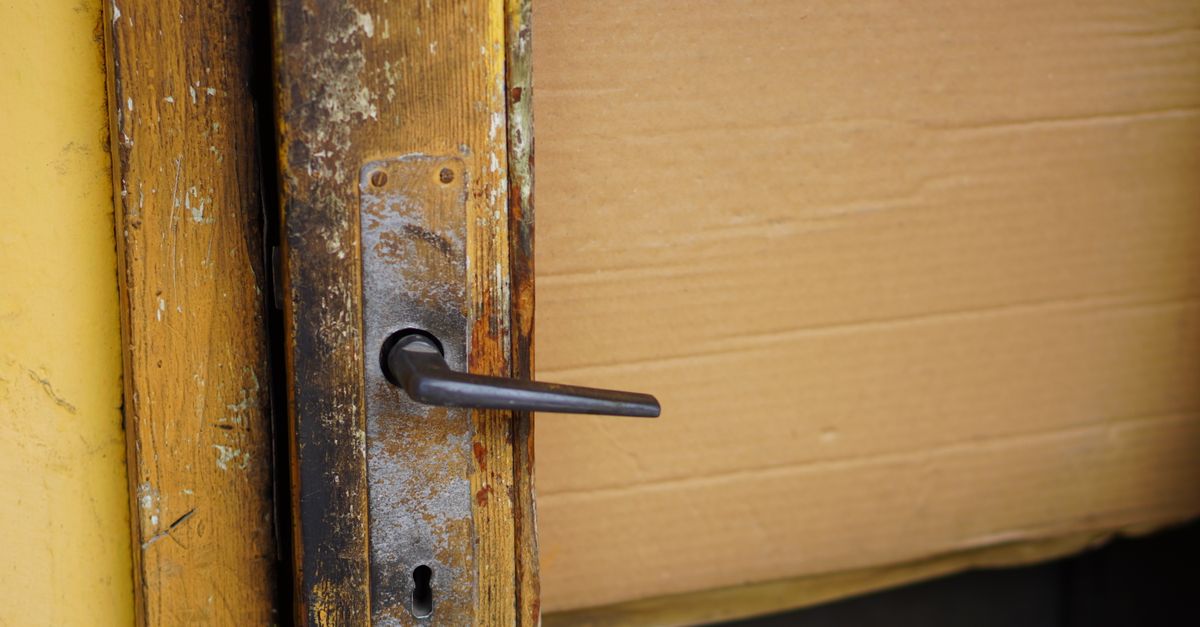
If you want to understand how a mortise lock works, picture a full lock body — latch, deadbolt, and trim hardware — housed inside a rectangular pocket (the mortise) cut directly into the door's edge. Unlike a cylindrical door knob lock that simply bores a hole through the door, a mortise lock is recessed flush, making it structurally far harder to kick or pry. The cylinder itself sits in the face of the lock body and drives an internal cam mechanism that controls both the latch and the bolt.
Mortise locks dominate commercial master key systems for good reason. The cylinder is interchangeable: a skilled locksmith can swap one profile cylinder for another without replacing the entire lock body, which makes rekeying or upgrading a mortise lock system fast and relatively clean. For businesses in Columbia's older commercial corridors — think the two- and three-story buildings along Gervais Street — mortise hardware is often already in place and just needs a professional assessment to integrate into a new access hierarchy. Our team installs and services Schlage, Kwikset, and other quality mortise hardware daily, and we size the system to the number of doors and access tiers your operation actually needs.
## Designing the Tiers: Change Keys, Master Keys, and Grand Masters
The terminology can feel intimidating, but the logic is straightforward. A change key (sometimes called a servant key) opens exactly one lock in the system — nothing more. A master key opens every lock within a defined group. A grand master key opens every lock across multiple groups, useful when a property manager oversees several suites in one building. Most Columbia small businesses need only two tiers: individual change keys for staff and a master for ownership.
Before a commercial locksmith pins a single cylinder, you should map your access plan on paper. List every door, then list every role that needs access to it. Rooms that only ownership ever enters — a safe room, a network closet, a private office — stay on change keys issued to those individuals alone. Shared spaces like a lobby, restroom corridor, or loading dock may not need master key restriction at all. Getting this map right at the start prevents expensive re-pinning later. If your building uses an emergency locksmith call-out after hours because a manager is locked out of a room their key should have covered, that is a sign the original access plan was not thorough enough.
## Can You Rekey or Change Combinations on Existing Hardware? What Business Owners Need to Know
A question we hear constantly: can you rekey a master lock or change the combination after a key goes missing? The short answer depends on the lock type. Padlocks with resettable dials — the kind with a numbered wheel — are built so the owner can change the combination without tools. How to change the combination on a master lock padlock generally involves opening it, inserting a reset tool or following a specific manipulation of the dial, and dialing in a new code. The same logic applies if you are wondering how to change a master lock combination on a combination-style shackle lock: these are designed for user resets without a locksmith. Cylinder-based master key systems are a different matter. How to rekey a master lock cylinder — or any keyed cylinder — requires removing the cylinder from the door, disassembling the pin stack, and replacing driver pins and springs to match a new key cut. This is not a DIY task when a master key system is involved, because a single incorrect pin depth can break the shear point hierarchy across every lock in the group. A professional locksmith tests each cylinder after rekeying to verify both the change key and master key operate correctly before reinstalling. If you are wondering whether you can change the code on a master lock digital padlock, those models typically allow a factory reset through a button sequence described in the manual — but integrating them into a commercial keying system still requires a locksmith to coordinate with the rest of your access plan.
The factors that shape what a rekeying or system-design visit costs include the number of cylinders in the system, the lock hardware already installed, whether the job happens during standard business hours or requires an after-hours emergency locksmith, the travel distance to your Columbia location, and any replacement parts or new cylinders needed. We confirm an exact up-front price before any work begins so there are no billing surprises.
## What to Expect When Top Columbia SC Locksmith Designs Your System
Our process starts with a site walk — we look at every exterior and interior door, note the existing hardware, and flag any door knob lock that should be upgraded to a more robust mortise lock before being integrated into the master system. We pay attention to local context: a single-story retail space off Two Notch Road has different security needs than a two-floor professional services office near the Congaree National Park visitor corridor. Access tiers, key quantities, and cylinder grades are all scoped to your specific layout. Once the access map is approved, we pin each cylinder to the system's key section — a precise numerical code that governs which cuts operate which locks. Every key in the system is documented and tracked by billet number, so if a key is lost you know exactly which change key went missing and can rekey only the affected cylinders. We also advise on whether your building warrants restricted keyways (keys that cannot be duplicated at a hardware store kiosk without authorization), which is an important consideration when you want to prevent unauthorized copies from circulating among former staff. Need to reach us before or after the consultation? Call (704) 850-6756 — we answer 24/7 and can schedule a same-day assessment for most Columbia locations.
Beyond master key systems, our commercial locksmith work covers a wide range of services that Columbia business owners rely on: mortise lock installation and repair, cylindrical lock rekeying, high-security deadbolt installation, door knob lock replacement, panic bar and exit device service, access control system installation, electric strike installation, keypad lock setup, padlock keying, master key system design and expansion, restricted keyway systems, lock-grade door hardware consultation, safe opening and combination changes, commercial door closer adjustment, sliding door lock service, roll-up door lock installation, key duplication for staff sets, broken key extraction, lock lubrication and preventive maintenance, after-hours emergency locksmith response, storefront door lock repair, cabinet lock installation, mailbox lock replacement, intercom and buzzer wiring coordination with lock hardware, and new construction keying for commercial build-outs. Whether you manage one small office or a multi-tenant commercial property, our team handles the full scope.
Frequently asked questions
Can a locksmith open a locked door at my business if I forgot my key?+
Yes. When a business owner is locked out, a professional locksmith can open the door using non-destructive techniques after verifying ownership — typically by checking a business card, ID matching the business name, or a lease document. We never bypass a lock without ownership verification. Once inside, we can also rekey the lock on the spot so the old key no longer works, which is useful if the original was lost rather than just forgotten at home.
How does the crime rate in Columbia, South Carolina influence what kind of lock system I should install?+
Columbia's property crime statistics — consistently tracked by the South Carolina Law Enforcement Division — vary meaningfully by neighborhood and corridor. High-traffic commercial areas near Five Points or Assembly Street see different threat profiles than quieter suburban office parks. That local reality is exactly why a one-size-fits-all lock recommendation does not serve Columbia business owners well. A site assessment lets a commercial locksmith match the cylinder grade, strike plate depth, and door reinforcement to the actual risk level at your specific address rather than a generic standard.
What did locksmiths usually do historically, and how is a modern master key system different?+
Historically, locksmiths were craftsmen who forged keys and lock mechanisms entirely by hand — filing each key blank to fit a specific warded lock. A lost key often meant fabricating a new lock from scratch. Modern master key systems use precision-machined pin tumbler cylinders with interchangeable components, meaning a skilled locksmith can rekey dozens of locks in a single visit and rebuild the entire access hierarchy without replacing hardware. The craft has shifted from metalworking artistry to systems design and security consulting, though the attention to mechanical detail is just as demanding.
Is a master key system hard to expand if my business grows?+
Not at all, provided the system was designed with a documented key section from the start. Adding a new door to an existing master key system means ordering cylinders cut to the same key section and pinning them to fit both the relevant change key and the master. A well-documented system can scale from a two-door setup to a twenty-door facility without replacing any existing hardware. The key billet records we maintain for every system we install make that expansion straightforward. Call (704) 850-6756 whenever you are ready to add doors or staff tiers — we are available 24 hours a day.